by Nick Gentle on
Article appears under:
Renovations and Maintenance,
About Property Investment,
Property Management
From July 1 2019 all residential rental properties in New Zealand are required to either:
- Meet new home insulation standards OR
- Be granted a written exemption
In both cases, you will need to have in writing a statement that informs of your home's insulation standard or explains the exemption. An exemption must be provided by an insulation specialist professional or a builder.
Failure to meet insulation standards so will result in fined of up to $4,000 per incident and in most cases this will be payable to the tenant.
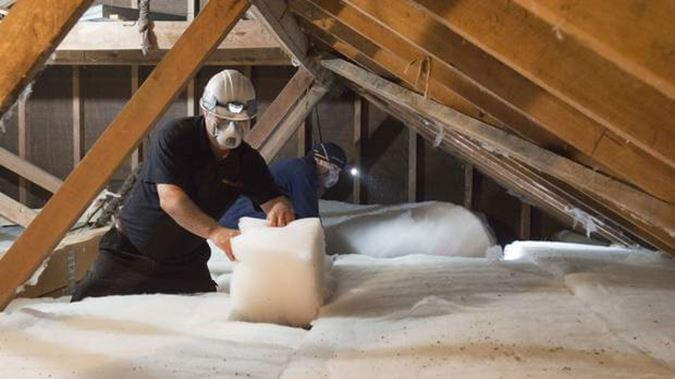
So lets think about this for about 5 seconds, if you're a tenant and you know your property isn't insulated and should be, you are now going to be very incentivized to report that to the authorities.
It is estimated that more homes are unprepared for the rule change than the industry has capacity to insulate by the deadline. The longer you wait, the less likely you will be able to get your property insulated or signed off as exempt.
The insulation level needs to be documented and that document included in new tenancies.
Like what you're reading? Register to get articles and investment property listings by email.
There are many insulation providers in New Zealand and you have quite a few products to choose from.
There is going to be a rush in 2019 with all the uninsulated and unconfirmed rental properties and many landlords are going to be caught. Don't be one of them.

Nick Gentle
Business Owner & Operations Manager
nick@ifindproperty.co.nz
027 358 3855