Wellington is the seat of central government, and that anchor tenant shapes everything about the property market here. A large, well-paid public sector workforce underpins both rental demand and owner-occupier purchasing power, and gives the capital a resilience against commodity-price shocks that the regions don’t enjoy. Alongside Auckland, Wellington carries one of the highest GDPs in New Zealand, with over half of employment sitting in medium to high-skilled work.
The economy isn’t one-dimensional. Film and digital creativity (with Miramar at the heart of it), a deep IT and tech sector, tertiary education through Victoria University and Massey, and a busy logistics and freight corridor through CentrePort all sit alongside government. That diversification is what makes Wellington worth a serious look for investors who want stable income and tenant quality.
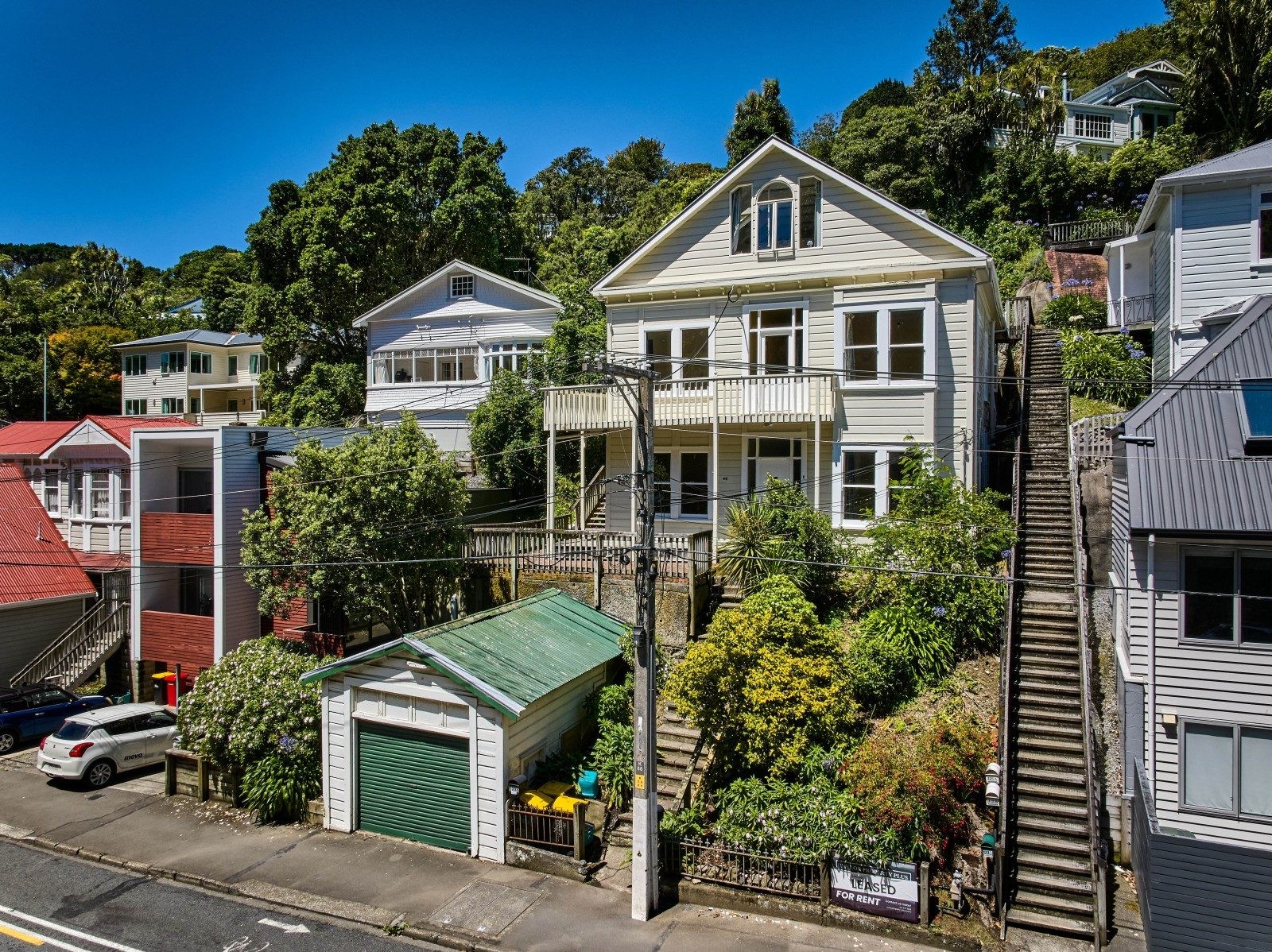
The suburban markets each have their own shape. Inner-city Kelburn and Newtown attract a steady student renter pool around the universities and hospital, while Mount Victoria and Thorndon pull young professionals on lower yields but stronger long-term capital growth. The CBD apartment market has its own dynamic and shouldn’t be lumped in with stand-alone houses — it rewards specialist knowledge.
West Wellington — Kilbirnie, Rongotai, Miramar — tends to attract owner-occupiers near the airport and film precinct. South Wellington (Island Bay, Lyall Bay) draws families and the beach-and-coffee crowd. Both areas show steady demand and limited new supply.
North of the city, the Johnsonville and Tawa corridor along State Highway 1 offers cheaper entry points with consistent tenant demand from commuters. The Kapiti Coast and Porirua have grown strongly off the back of roading and rail improvements, and now appeal to a mix of first-home buyers, retirees and investors priced out of central suburbs.
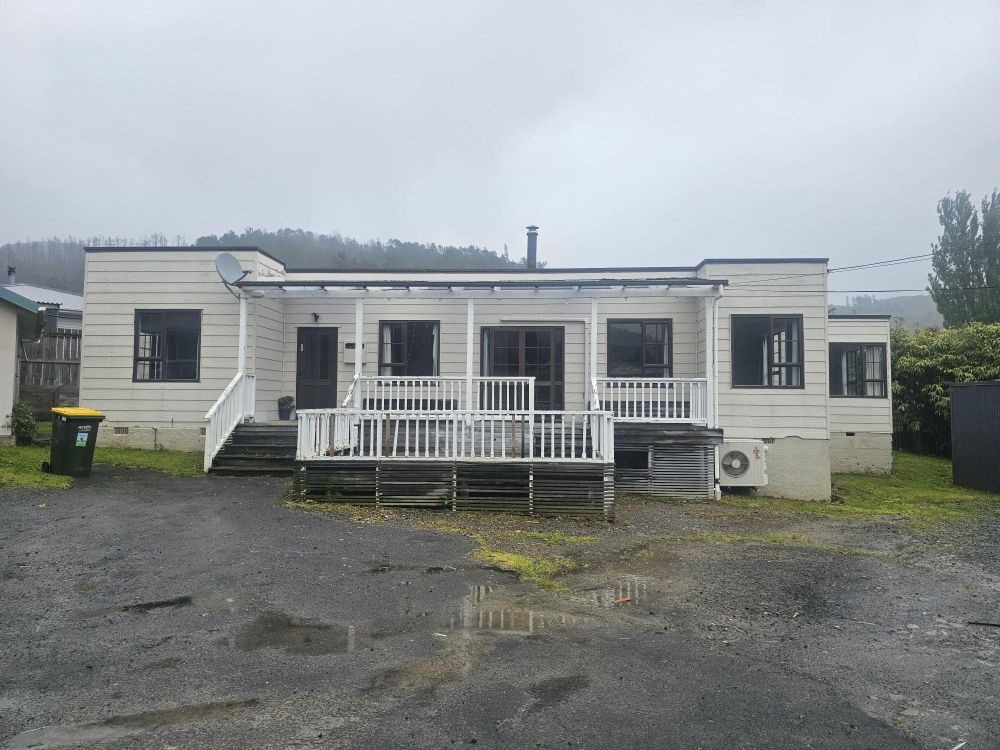
Across the harbour, the Hutt Valley behaves like its own sub-market. Central Hutt and Petone offer real variety in price and yield; Wainuiomata and Naenae can deliver strong cash-on-cash returns if you pick the right street; Upper Hutt has the Defence Force as a steady demand backstop. As with anywhere, local street-by-street knowledge is what separates a decent yield from a deal that drags for years, and that’s the gap our on-the-ground team is here to close.